The Citizen Reflex: Minnesota’s Response is the Heartbeat of American Exceptionalism
Disagreement expressed openly is not a failure of democracy. It is one of its defining features. American exceptionalism does not depend on agreement. It depends on participation.
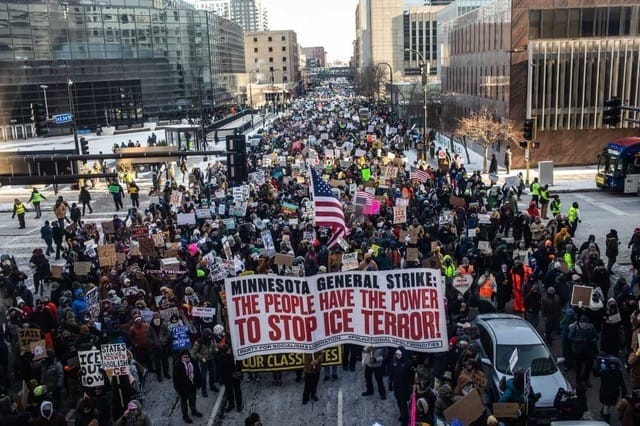
On cold January nights in Minnesota, people gather in the streets—some angry, some grieving, some simply unsettled. Vigils form. Protests follow. Local leaders speak out. Labor groups, clergy, and neighbors show up without waiting for instructions from Washington. Before investigations were completed or official explanations settled, citizens act.
That instinct—to move first, speak publicly, and demand accountability—is the often-missed core of American exceptionalism.
American exceptionalism is usually framed as bragging or blind patriotism. Historically, it meant something simpler and more practical: Americans developed the habit of acting politically as individuals and small groups, rather than waiting for distant authorities to resolve disputes. It is a pattern of behavior, not a slogan or a claim of perfection.
This is exactly what Alexis de Tocqueville noticed in the 1830s. He was less impressed by American ideas than by American reflexes. When problems arose, people didn’t just complain—they organized. As he famously observed:
“Americans of all ages, all conditions, and all dispositions constantly form associations.” — Democracy in America, Vol. II, Part II, Chapter 5 (“On the Use Which the Americans Make of Associations in Civil Life”)
Those associations—town meetings, churches, unions, protest groups—allowed ordinary citizens to act together without waiting for permission. Democracy, for Tocqueville, wasn’t mainly about elections or constitutions. It was something people practiced in daily life.
The Minnesota response fits squarely within that tradition.
What is happening in Minnesota is not neat or orderly. It is emotional, loud, and deeply contested. People disagree—about immigration enforcement, federal power, protest tactics, and even basic facts. But Tocqueville expected this kind of messiness. In a democracy, public opinion doesn’t whisper; it argues:
“Public opinion reigns in America as the greatest power, and there is no obstacle which it does not surmount.” — Democracy in America, Vol. I, Part II, Chapter 7 (“On the Omnipotence of the Majority”)
Disagreement expressed openly is not a failure of democracy. It is one of its defining features. American exceptionalism does not depend on agreement. It depends on participation.
One detail matters more than the others: sequence. In Minnesota, public action came before official judgment. People did not wait for courts, investigators, or congressional hearings to speak first. They showed up, demanded answers, and forced institutions to respond. Tocqueville believed this habit—citizens acting locally and immediately—was the real source of democratic strength:
“The strength of free peoples resides in the local institutions which they establish.” — Democracy in America, Vol. I, Part I, Chapter 5 (“On the Use of Political Associations in the United States”)
This same habit explains why state and local leaders pushed back against federal enforcement. Federalism here was not an abstract legal theory. It was citizens insisting that power remain answerable close to home.
Tocqueville also warned what happens when this reflex fades. The danger is not chaos, but passivity—people retreating into private life while government quietly expands:
“Each individual is left to feel his own weakness… and willingly abandons the care of public affairs to the state.” — Democracy in America, Vol. II, Part IV, Chapter 6 (“What Sort of Despotism Democratic Nations Have to Fear”)
That, he feared, would lead to a soft, comfortable form of despotism.
Minnesota shouts that American Exceptionalism is still alive. People still believe that public wrongs demand public response. They still gather, argue, and insist on being heard.
American exceptionalism, in this sense, is not permanent or guaranteed. It lives—or dies—in moments like this. Not in speeches or slogans, but in the habit of standing up, assembling, and contesting power in public.
see also: A long American tradition: dismissing dissent as “paid outside agitators.”